
LESOTHO

The Lesotho Designer Turning Denim into a Story of Identity.
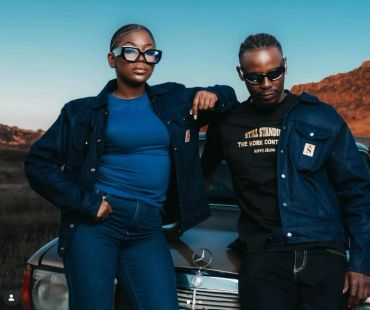
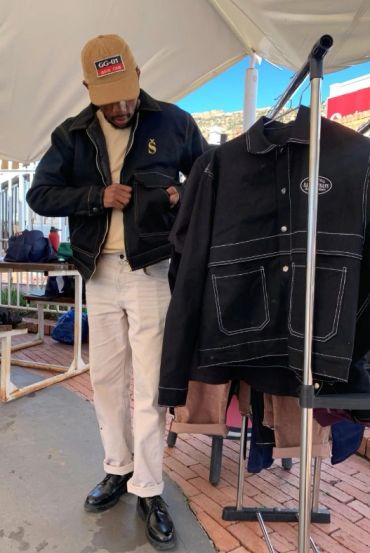
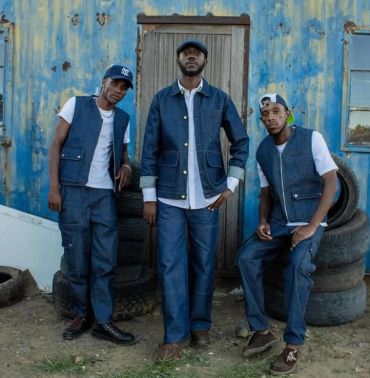
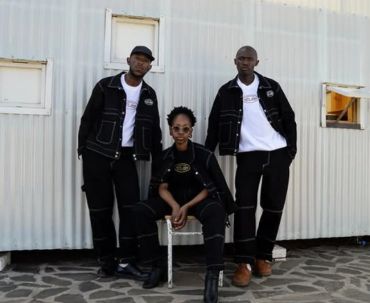
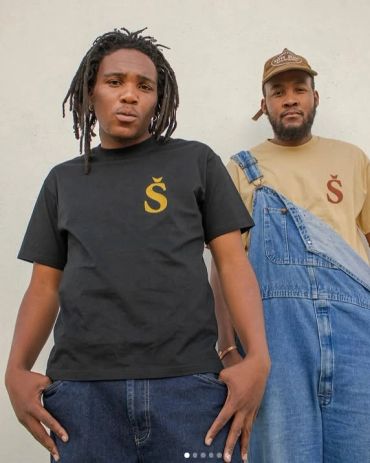
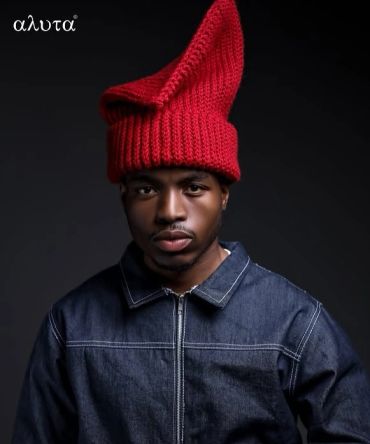
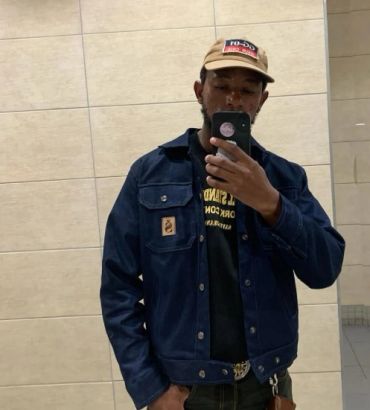
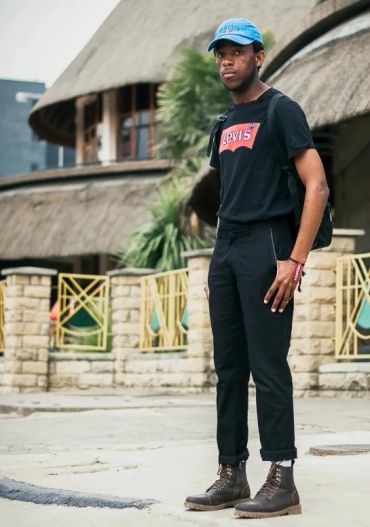
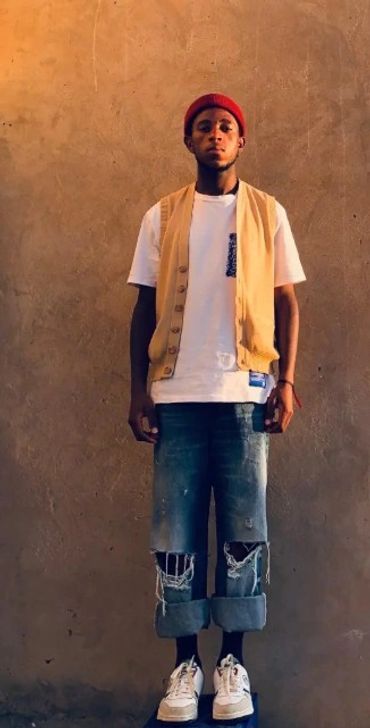
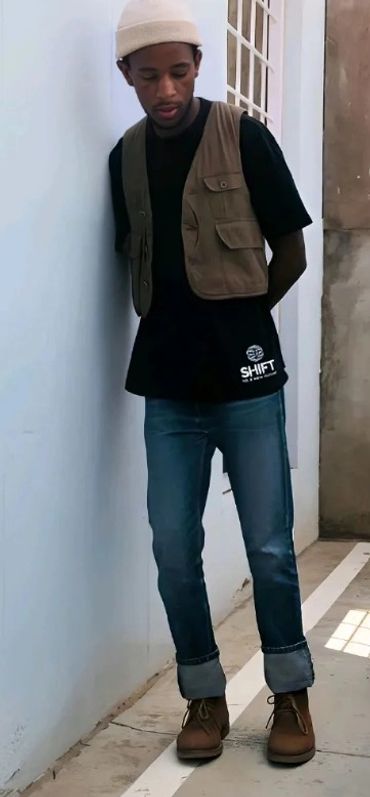
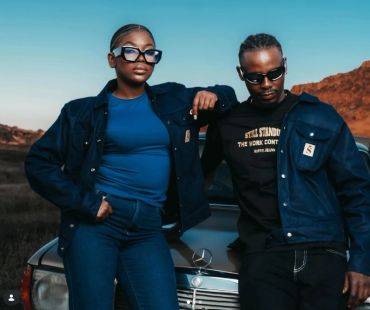
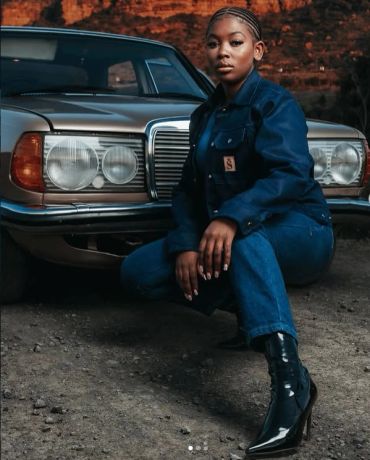
Khotso Koena is a Lesotho-born self-taught fashion designer, creative director and founder of Savvy Jeans, a denim and lifestyle brand rooted in storytelling, identity and self-expression.
His participation as a representative of Lesotho at the World Fashion Exhibition NYC 2026 offers an international platform from which to present a contemporary fashion perspective shaped by his personal journey, his cultural environment and his connection to his country of origin.
A Designer from Lesotho
Lesotho provides the foundation for Khotso Koena's creative identity. His journey into fashion began through modelling, styling and creative production, experiences that eventually led him toward fashion design.
As a self-taught designer, Koena developed his creative skills largely through experience, experimentation and a desire to create something that genuinely represented where he comes from.
This personal journey ultimately led to the creation of Savvy Jeans, a Lesotho-born denim and lifestyle brand through which he continues to develop his own creative language.
For Koena, building a fashion brand from Lesotho is also about demonstrating what is possible when creativity, determination and local identity come together.
Denim as Cultural Expression
For Khotso Koena, denim is more than simply a fabric. Through Savvy Jeans, he explores denim as a medium for storytelling, identity and self-expression.
His work draws inspiration from everyday life, workwear, music and culture, as well as from the people and experiences that shape individual journeys.
These influences allow him to approach denim from a personal and contemporary perspective, using familiar elements of everyday life as a starting point for creative expression.
Through Savvy, Koena explores the relationship between what people wear and the stories that clothing can communicate — connecting personal identity with the wider cultural environment in which those stories are created.
https://www.instagram.com/savvy_jeans?igsi=aXdseDg0OW04OGhv

A Contemporary Lesotho Perspective
Representing Lesotho internationally means presenting more than a geographical origin. It means giving visibility to a creative perspective shaped by the experiences, culture and aspirations of the country.
Khotso Koena's work reflects his belief that meaningful fashion brands can be created, built and owned from home, while still connecting their stories to Africa and the wider world.
His vision extends beyond the development of an individual brand. He aims to contribute to a stronger fashion industry in Lesotho, demonstrating that local designers and creatives can develop ideas and businesses capable of reaching an international audience without losing their connection to where they began.
In this sense, Savvy Jeans becomes not only a fashion label, but also an expression of possibility — a statement that creativity from Lesotho can have its own voice and place within the global fashion landscape.
From Lesotho to the World
Khotso Koena's journey represents a contemporary approach to African fashion in which personal experience, cultural identity and creative ambition come together.
Through Savvy Jeans, he uses denim to tell stories about identity and self-expression while remaining connected to the everyday experiences, people and culture that influence his creative vision.
For Koena, fashion ultimately goes beyond clothing.
It is about where we come from, what we experience, what we believe in and what we leave behind.
At the World Fashion Exhibition NYC 2026, he brings that perspective from Lesotho to an international audience — presenting a vision of fashion that is self-taught, locally rooted and connected to Africa and the wider world.
https://www.instagram.com/savvy_jeans?igsi=aXdseDg0OW04OGhv
Khotso Koena-Savvy JeansI


Charlotte Muziri
Supermodel & World Fashion Week® Goodwill Ambassador
The Zimbabwean pearl, Supermodel Charlotte Muziri is an inspirational individual who has achieved the significant milestone of becoming a first-generation graduate. A Town Planner and published academic author. Alongside her professional pursuits, she is a dedicated mentor and actively advocates for ending child poverty. she strives to ignite self-belief in individuals, firmly believing that even the most economically disadvantaged can achieve remarkable transformations in their lives.
Water for All - One Drop, One Life

Saving Children's Lives - Bringing Air Water to Africa
Help Us Bring Clean and Safe Water to Zimbabwe & Africa’s Most Vulnerable Communities
Every day, millions of children in Africa face the harsh reality of contaminated water sources, which lead to preventable diseases and even death. In Zimbabwe, the situation is dire: unsafe water, drought, and a lack of access to clean, drinkable water are causing irreversible harm to communities—especially children.
But there’s hope. Together, we can bring a sustainable solution that saves lives and transforms communities.
What is Air to Water?
Air to Water generators is a life-changing innovation that harnesses the power of the atmosphere to create pure, drinkable water. The Air Water units extract moisture from the air, turning it into clean, safe water for drinking, cooking, and sanitation.
This breakthrough technology is more than just an invention—it's a lifeline.
Why Air Water for Africa?
- Safe Drinking Water: The Air Water units provide access to clean, uncontaminated water, reducing the spread of waterborne diseases that harm children.
- Sustainable Solution: Air Water units work in areas with high temperatures and low rainfall, making them ideal for regions facing water scarcity.
- Empowering Communities: By providing Air Water to communities, we empower them to take control of their water sources, reducing dependence on expensive bottled water, microplastics or unsafe wells.
- Impacting Children’s Health: Children are particularly vulnerable to waterborne diseases, which can be fatal. Over 3,000 children die every day in Africa for not having access to safe drinkable water. Air Water ensures that they have access to safe drinking water, drastically improving their health and future.
Water for All - One Drop, One Life
Why Zimbabwe and Africa?
In Zimbabwe and many parts of Africa, water shortages and contamination are devastating, especially for young children. Every year, millions of children under the age of five die from preventable water-related diseases like cholera, dysentery, and typhoid.
AirWater’s solution can reduce these numbers dramatically by providing clean water directly from the air, turning a climate challenge into a life-saving opportunity.
How You Can Make a Difference
We need your help to bring AirWater units to Zimbabwe and other African nations. Your contribution will provide:
- Life-saving clean water for communities in need
- Improved health and hygiene for children and families
- A sustainable future for generations to come
Donate & Support Life
Your donation can directly fund the installation of Air Water units in Zimbabwe and other African nations. Whether it’s a single unit or a contribution toward a larger project, every dollar counts.
One Drop, One Life

Partner with Us
We are looking for corporate sponsors, NGOs, and community leaders to join us in this life-changing mission. Together, we can reach more communities and make an even bigger impact.
The Impact of Your Support
By supporting this campaign, you are not just donating—you are creating a ripple effect of positive change that will be felt for generations to come.
Here’s how your donation can change lives:
- $1 can always help, one drop, one life.
- $ Any amount will be added to buy Air Water Generators from 10 liters up.
- $2,000 can provide one AirWater unit that generates 200 liters every day of pure mineral water, providing safe water to a community of 200 people.
- $7,000 can set up a full water system, benefiting a school or health clinic in a rural area with 500 liters every day.
- $28,000 can fund a project that supports multiple villages with access to water, schools, hospitals and education on hygiene, and community development generating 1,000 up to 5,000 liters of pure rich mineral and safe water per day.
Stories of Hope
“Before AirWater, we had to walk miles to fetch water, and it was unsafe. Now, we have clean water right here from the air we breath, and our children are healthier. We no longer fear the diseases that once took so many lives.” – A mother from a village in Zimbabwe
WFW ENVIRONMENT
Environment
Dyeing Issues
Environment

At WFE we are focused in how to make global fashion green and sustainable. Fashion production makes up 10% of humanity's carbon emissions, dries up water sources, and pollutes rivers and streams. What's more, 85% of all textiles go to the dump each year (UNECE, 2018), and washing some types of clothes sends significant amount of micro-plastics into the ocean. Global fashion also consumes 93 billion metric tons of clean water each year, about half of what Americans drink annually.
Cotton
Dyeing Issues
Environment
Cotton is an especially thirsty crop. For example, one kilogram of cotton used to produce a pair of jeans can consume 7,500 to 10,000 liters of water—the amount a person would drink over 10 years. Cotton production also requires pesticides and insecticides, which pollute the soil; runoff from fertilized cotton fields carry the excess nutrients to water bodies, causing eutrophication and algal blooms.
Dyeing Issues
Dyeing Issues
Promote current deals
The dyeing process for fabrics, which uses toxic chemicals, is responsible for 17 to 20 percent of global industrial water pollution.
Promote current deals
Promote current deals
Promote current deals
To feed the fashion industry’s need for wood pulp to make fabrics like rayon, viscose and other fabrics, 70 million tons of trees are cut down each year. That number is expected to double by 2034, speeding deforestation in some of the world’s endangered forests.
Planet Warming CO2
Promote current deals
Planet Warming CO2
The fashion industry produces 1.2 million metric tons of CO2 each year, according to a MacArthur Foundation study. In 2018, it resulted in more greenhouse gas emissions than the carbon emission produced by France, Germany and the UK all together. Polyester, which is actually plastic made from fossil fuels, is used for about 65 percent of all clothing, and consumes 70 million barrels of oil each year. In addition, the fashion industry uses large amounts of fossil fuel-based plastic for packaging and hangers.
Recycle
Promote current deals
Planet Warming CO2
Less than one percent of clothing is recycled to make new clothes. The fibers in clothing are polymers, long chains of chemically linked molecules. Washing and wearing clothing shortens and weaken these polymers, so by the time a garment is discarded, the polymers are too short to turn into a strong new fabric. In addition, most of today’s textile-to-textile recycling technologies cannot separate out dyes, contaminants, or even a combination of fabrics such as polyester and cotton.
As a result, over 53 million metric tons of discarded clothing are incinerated or go to landfills each year. If sent to a landfill, clothes made from natural fabrics like cotton and linen may degrade in Exhibitions to months, but synthetic fabrics can take up to 200 years to break down. And as they do, they produce methane, a powerful global warming greenhouse gas.
Micro-Plastics
Working Conditions
Working Conditions
Micro-plastics are almost everywhere in today's life, harm marine life and biodiversity. Micro-plastics have already been found in our food, water and air—one study found that Americans eat 74,000 micro-plastic particles each year. And while there is growing concern about this, the risks to human health are still not well understood.
Working Conditions
Working Conditions
Working Conditions
Of the 75 million factory workers around the world, it’s estimated that only 2% earn a living wage. To keep brands from moving to another country or region with lower costs, factories limit wages and are disinclined to spend money to improve working conditions. Moreover, workers often live in areas with waterways polluted by the chemicals from textile dyeing.